Your baby was born to breastfeed. Breast milk is best for your baby and is all your baby needs for the first 6 months.

Breastfeeding is best for you and your baby
Best for baby!
- Easy to digest
- Helps prevent baby from becoming overweight
- Protects against ear infections, allergies, asthma and diarrhea
- Fewer doctor visits
- Creates bond with mom
Best for you!
- Helps you lose weight faster
- Lower chance of getting breast and ovarian cancer
- Saves time and money
- No need to clean bottles
- No waste and less packaging
- Travel is easy
- Creates bond with your baby
Breastfeeding
Breastfeeding is the best choice for you and your baby.
- In the beginning, you will need to breastfeed between 8-12 times a day
- Make sure your baby is latched on to your breast and not just sucking on the nipple. Here’s how:
- Put the baby’s nose to your nipple
- Wait for him to open his mouth wide
- Bring your baby to your breast.
- Look and listen for signs of swallowing
- Don’t wait until he’s crying to feed him. Put him to your breast as soon as you see him opening his mouth or sucking his hands.

Worries about breastfeeding
- Not making enough milk
- Breast pain
- Baby cries too much
- Concerns with breast appearance or changes
- Return to work or school
Making breastfeeding easier
- Stimulation is key! The more you breastfeed, the more milk you will make
- Make sure your baby has a good latch. If you have nipple pain, ask someone for help.
- If your baby cries or is upset, try skin-to-skin to calm him/her down
- Everyone is different. Consult a lactation counselor or your medical provider for advice.
- Try to pump and set a new routine for you and your baby before you return to work.
Helpful tips for breastfeeding your baby




Saving your breast milk
How to pump and store your breast milk:
- Wash your hands
- Express your breast milk with a pump or with your hands
- Put breast milk in a clean plastic storage bag or use a clean glass or hard plastic container with a lid
- Store breast milk in 2 to 4 ounce amounts
- Label with the date
- Store breast milk in the back of the refrigerator or freezer
How to thaw breast milk:
- Thaw the oldest breast milk first
- Warm the breast milk. You can put the bag or container in warm water.
- Swirl the breast milk. Do not shake or stir it.
- Never thaw frozen breast milk at room temperature, in the microwave or on the stove
- Do not boil breast milk
- Throw away any leftover breast milk that you thaw
How long will breast milk last?
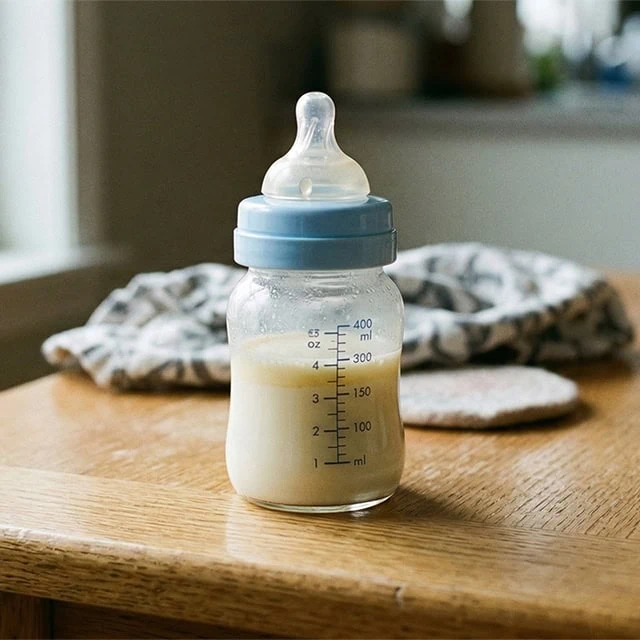
4-6 hours
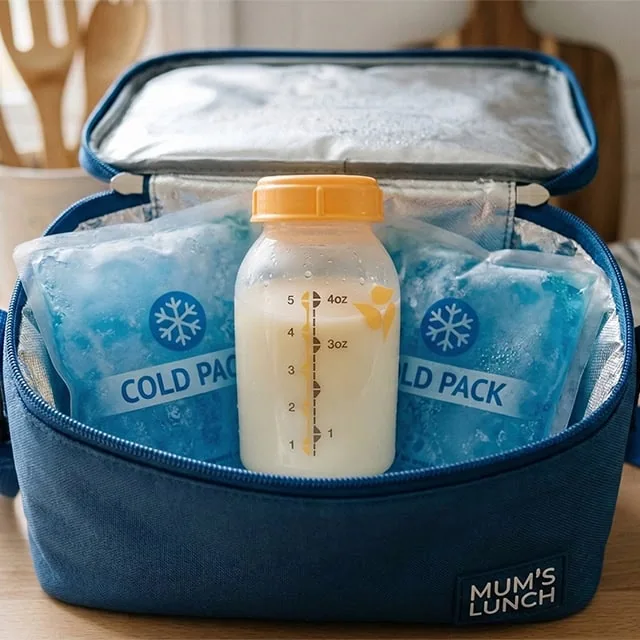
24 hours
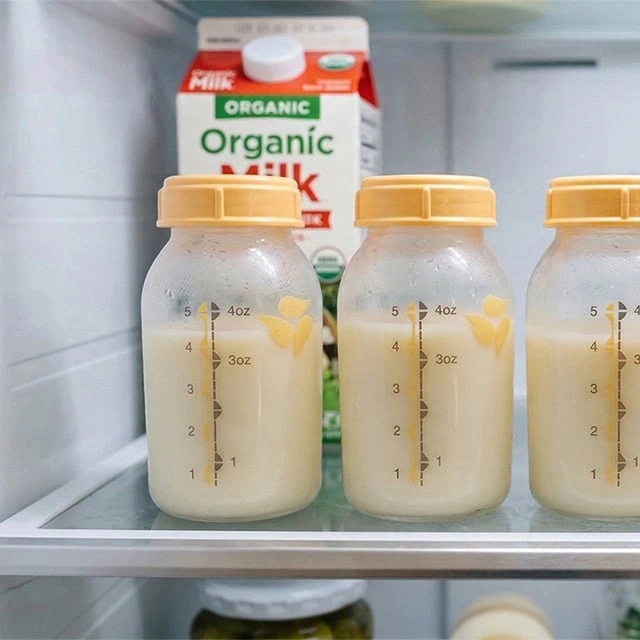
3 to 8 days
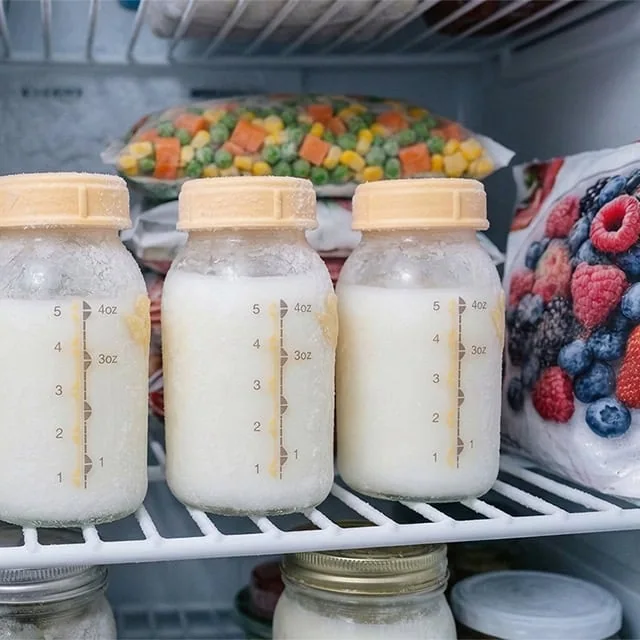
3 to 6 months
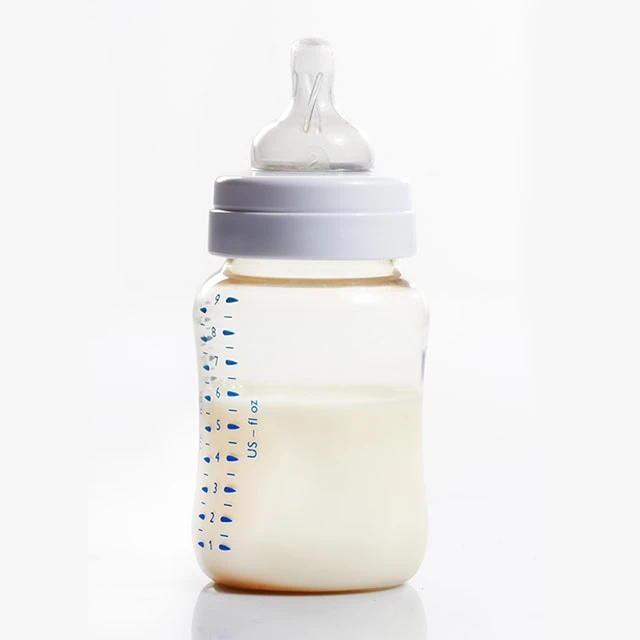
Use within 24 hours
Both breast and formula feeding
Giving your baby breast milk and formula is a good choice for your baby.
- Breastfeed as much as you can so you keep making breast milk.
- It’s easy to feed too much when you give breast milk and formula in the same feeding.
- Breastfeed first. You probably won’t need to give your baby formula because his stomach is very small.
- Look for signs that your baby is hungry or full to decide when to feed him.
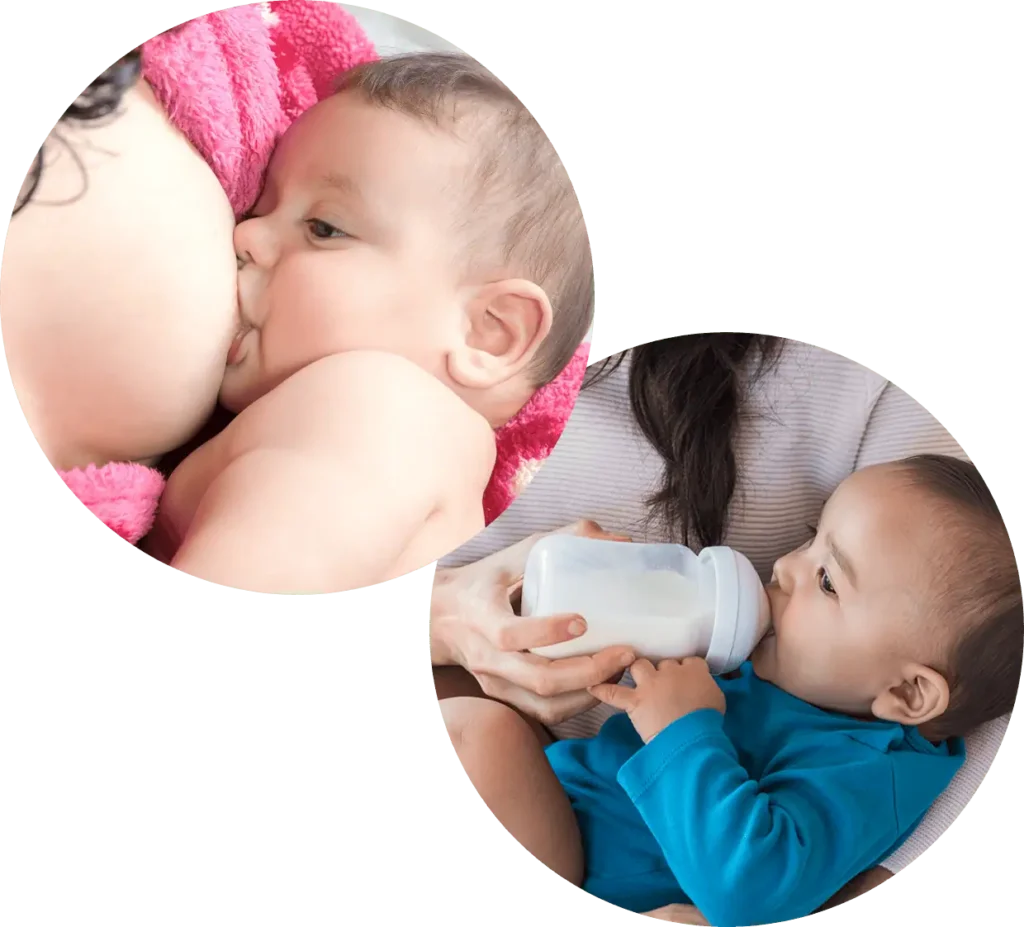
Formula feeding
Giving your baby formula from a bottle is another way to feed your baby.
- In the beginning, babies will usually drink less than 2 ounces at each feeding
- Babies don’t have to suck as hard to drink from a bottle, so it’s easy to feed too much
- Your baby does not have to finish the whole bottle of formula
- Look for signs that your baby is hungry or full to decide when to feed him
- Hold the bottle in a horizontal position
- Babies only need breast milk or formula during the first 6 months. You do not need to add anything else to your baby’s bottle
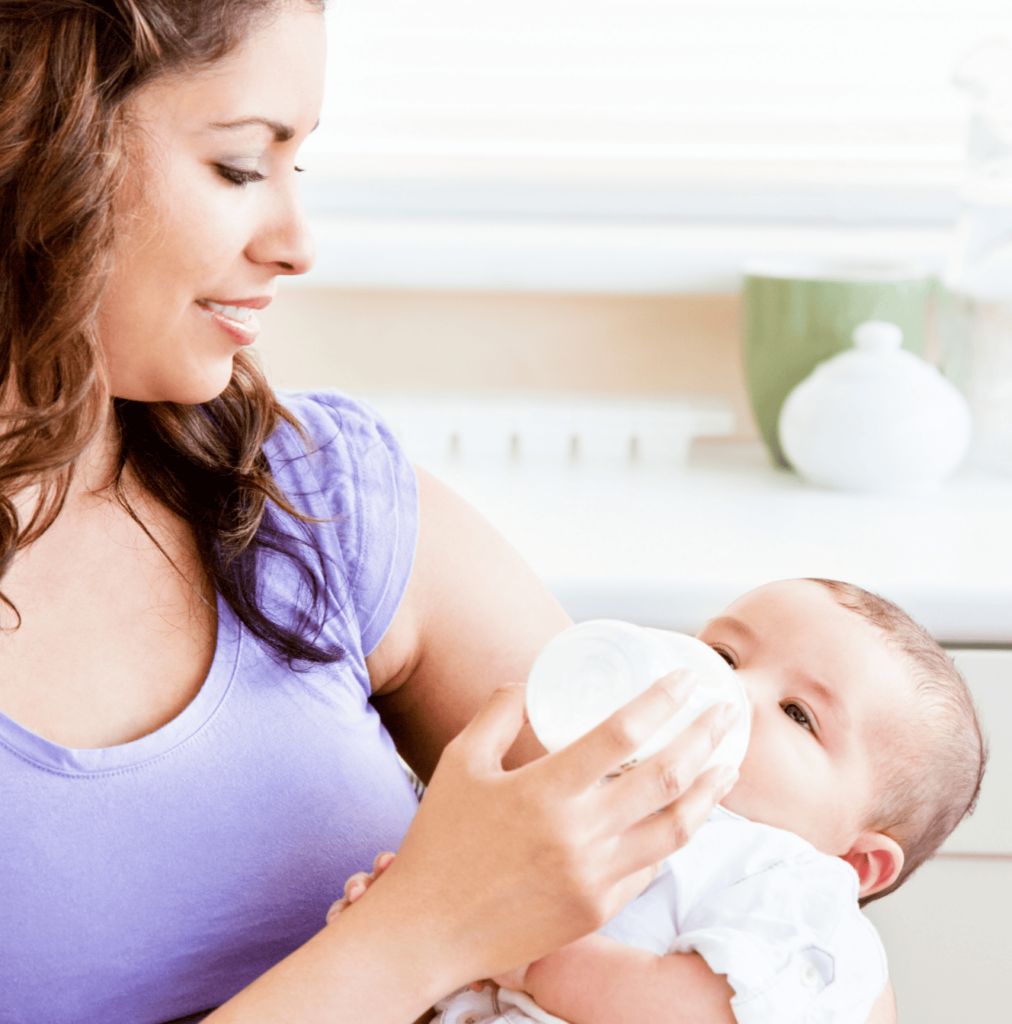
Preparing and storing formula
How to prepare formula:
- Wash your hands and all pieces of the bottle
- Follow the instructions on the formula container
- It is safe to use tap water
- Make sure the nipple hole is not too big or too small
- Tilt the bottle so that the nipple is filled with milk when you offer it to your baby
- Hold the bottle for your baby. Do not rest it on something
How to store formula:
- Formula lasts for 1 hour at room temperature or one day in the refrigerator
- Do not use the microwave to heat the bottle. Place it in hot water, mix and test the temperature on your wrist
- Do not freeze formula
- If transporting formula for more than 1 hour, hold it in a bag with ice packs or prepare each bottle when you need it.


How you know your baby is hungry
Look for your baby to:
- Lick the top of his mouth or lips
- Suck on his lips or tongue
- Suck on his fingers or hand
- Fidget and start to fuss
- Move his head in search of your breast or bottle
Crying is the last thing your baby will do to show you he’s hungry!
- A crying baby is harder to feed
- Don’t wait until he’s crying to try and feed him
- When your baby cries, it doesn’t always mean that he’s hungry
- Watch for what he’s trying to tell you so you know when he’s hungry

How you know your baby is full
Look for your baby to:
- Fall asleep
- Close her mouth
- Be calm and relaxed
- Turn her head away from the nipple
- Show interest in things other than eating
Pay attention to when she’s full so you don’t overfeed
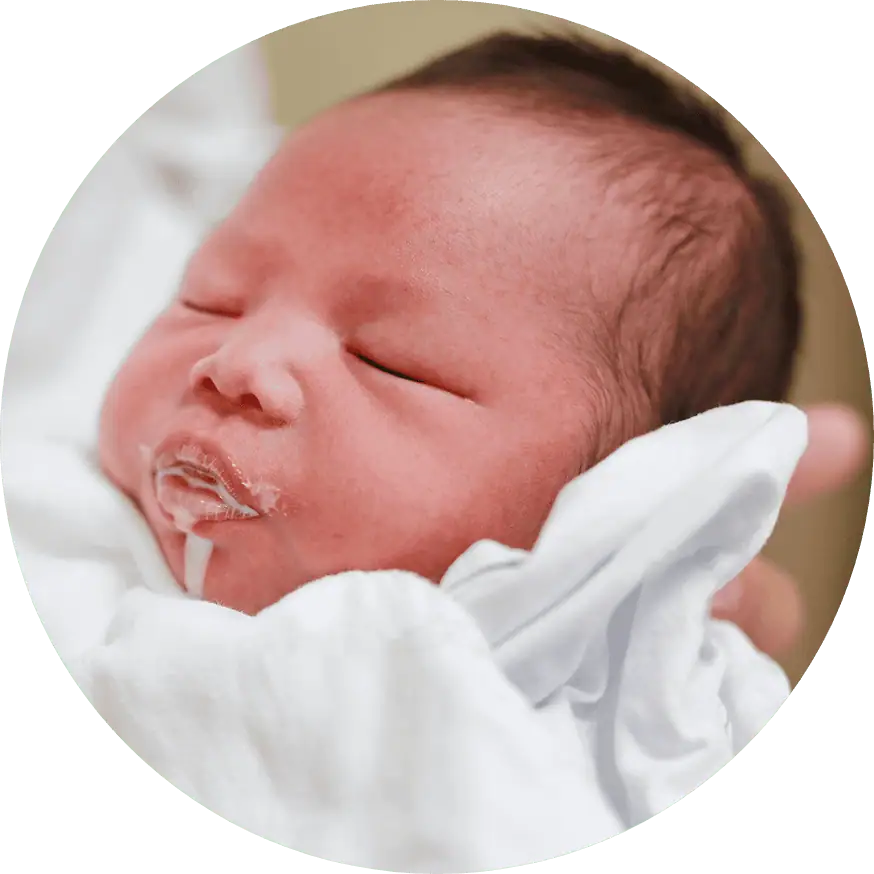
- Spitting up is a sign that your baby ate too much
- Your baby does not need to finish the bottle
- Remember, your baby doesn’t need anything besides breast milk or formula for the first 6 months
When is my baby ready for solid foods?
Around 6 months, your baby will show you signs that he is ready to eat solids.
Your baby will:
- Sit up without help
- Keep good head control
- Lean towards the spoon
- Show interest in eating
- Open his mouth to eat
- Not stick his tongue out when you feed him
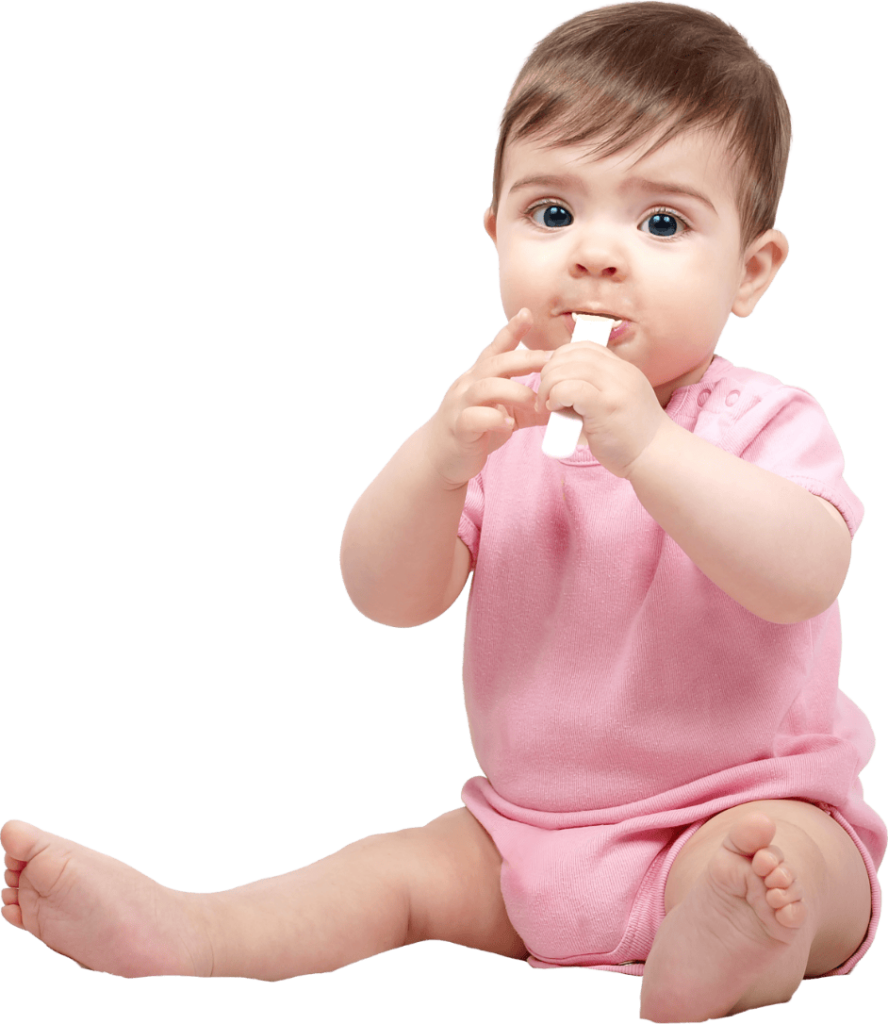
When your baby is ready, feed solids with a spoon. Do not put solid foods in the bottle. If your baby won’t take the food from a spoon, he’s not ready for solid foods yet.
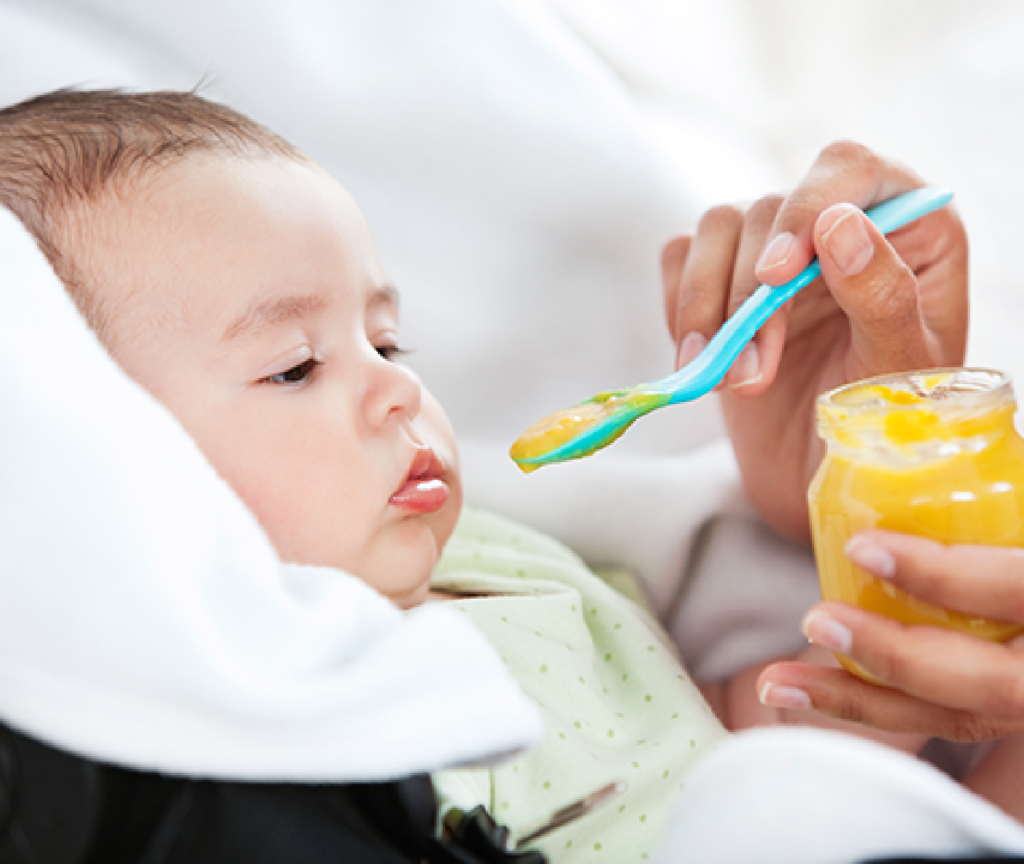
Solid foods to try when your baby is ready
Try these common first foods:
- Foods rich in iron like meat or other proteins
- Fortified infant cereal like oats, barley and multigrain
- Fruits and vegetables like bananas and peas
Remember: Breastmilk or Formula is still the main food for your baby until he or she is 1 year old!
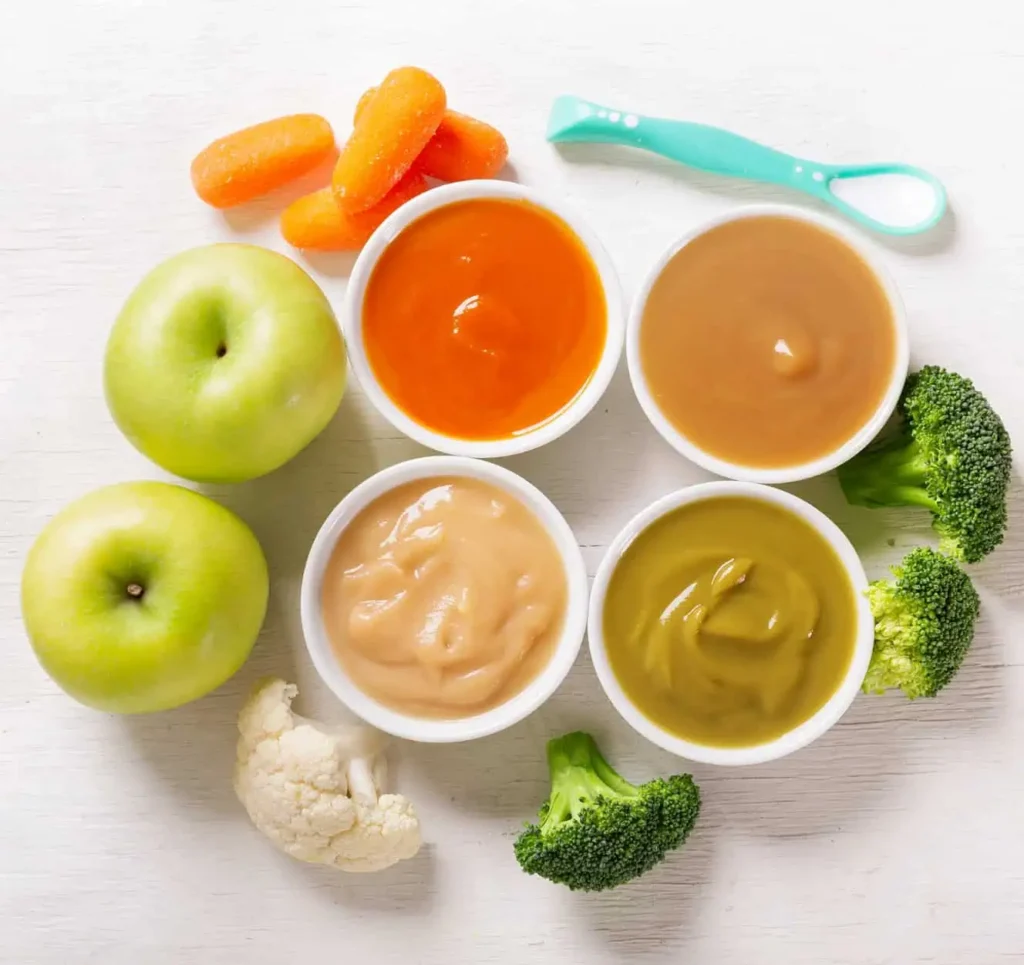
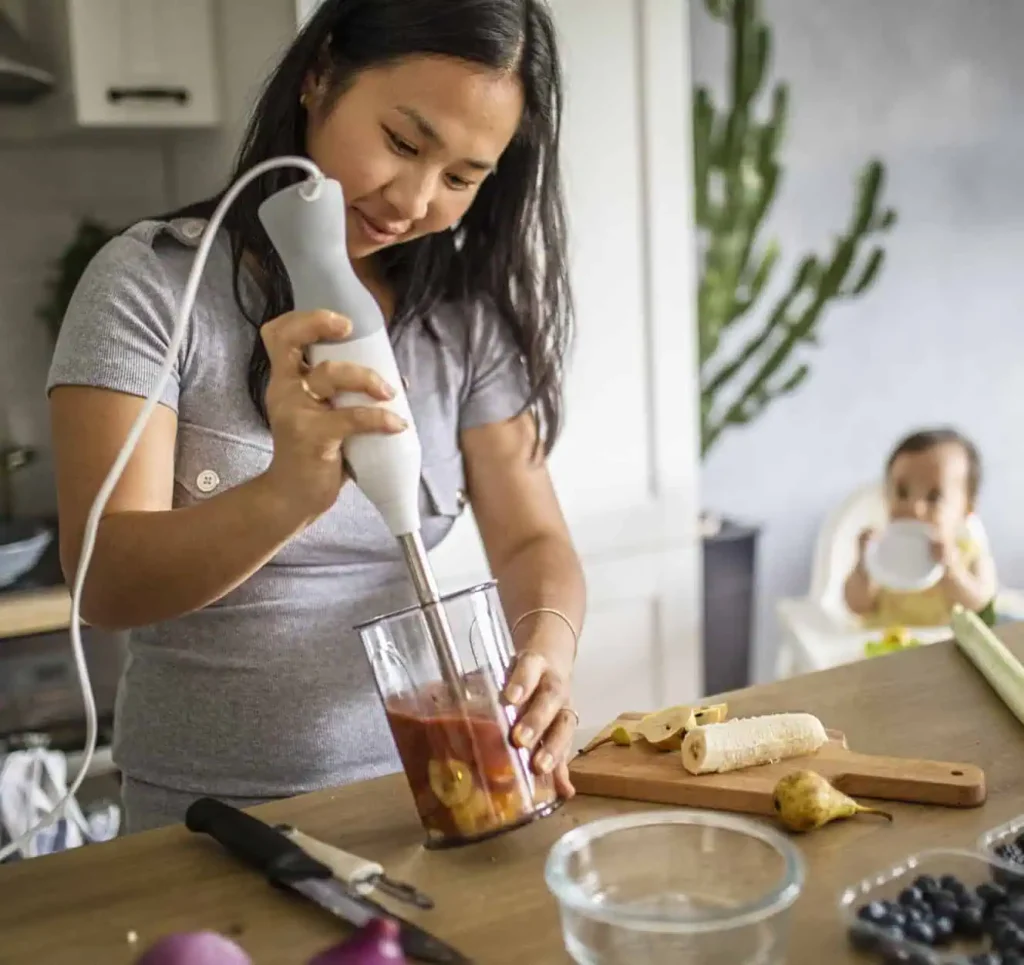
Preparing food for your baby
- Cook food until is soft
- Mash or puree foods until smooth
- Mix cereals and food with breastmilk, formula or water to get the desired consistency/texture
- Remove seeds from fruits and cut into small pieces
- Do not add sugar or salt
You can slowly offer chunks of new foods big enough that your baby can suck on like big chunks of fruits, cooked meat and cheese. Allow your baby to explore but always be present!
Don’t give these foods yet
Let your baby try different kinds of foods, but do not give these foods yet:
- Fast food or foods with added sugar or salt
- Cow’s milk -wait until your baby is 1 year old
- Fruit juice or sweet drinks like sodas
- Foods that are not cooked well, or foods that are hard and sticky -these can make your baby choke, such as: popcorn, peanuts, pumpkin seeds, raisins

Allergy Foods
You may start giving allergy foods like peanut, egg, or dairy in yogurt or cheese when your baby is ready for solids. But before you do, talk to your doctor to come up with a plan for when, and how much to offer. Your doctor may say to start with a small amount and watch your baby to make sure everything is okay.
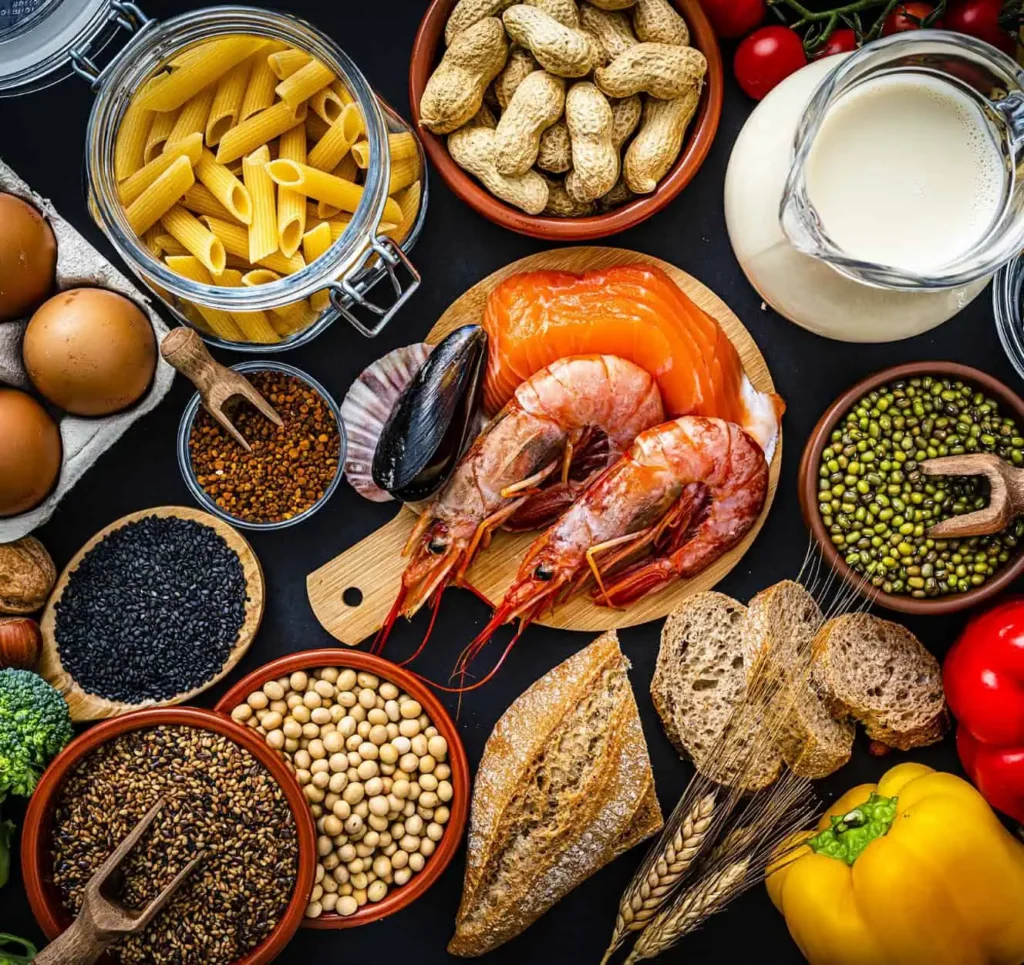
Common Allergy Foods: egg, peanut, soy, wheat, cow’s milk, tree nut, shellfish, fish, sesame.