Healthy eating during pregnancy helps you gain the right amount of weight, helps you feel good, and helps your baby grow healthy.
Healthy Weight Gain
How much weight you should gain depends on your weight and height before pregnancy. Everyone is different, but most women gain about 11 to 35 pounds in total. In the first 3 months, your baby is very small, so you may gain only about 1 to 4 pounds. In the second and third trimesters, it is common to gain about 1 pound each week as your baby grows.
Talk to your doctor or nurse about how much weight gain is right for you and your baby.
Things to keep in mind:
- “Eating for two” will make you gain too much weight.
- Gaining too much weight can make you more likely to get diabetes or high blood pressure.
- Try eating just one extra healthy snack each day.
- Healthy weight gain during pregnancy is natural and beneficial for you and your baby!
Start with My Healthy Pregnancy Plate!
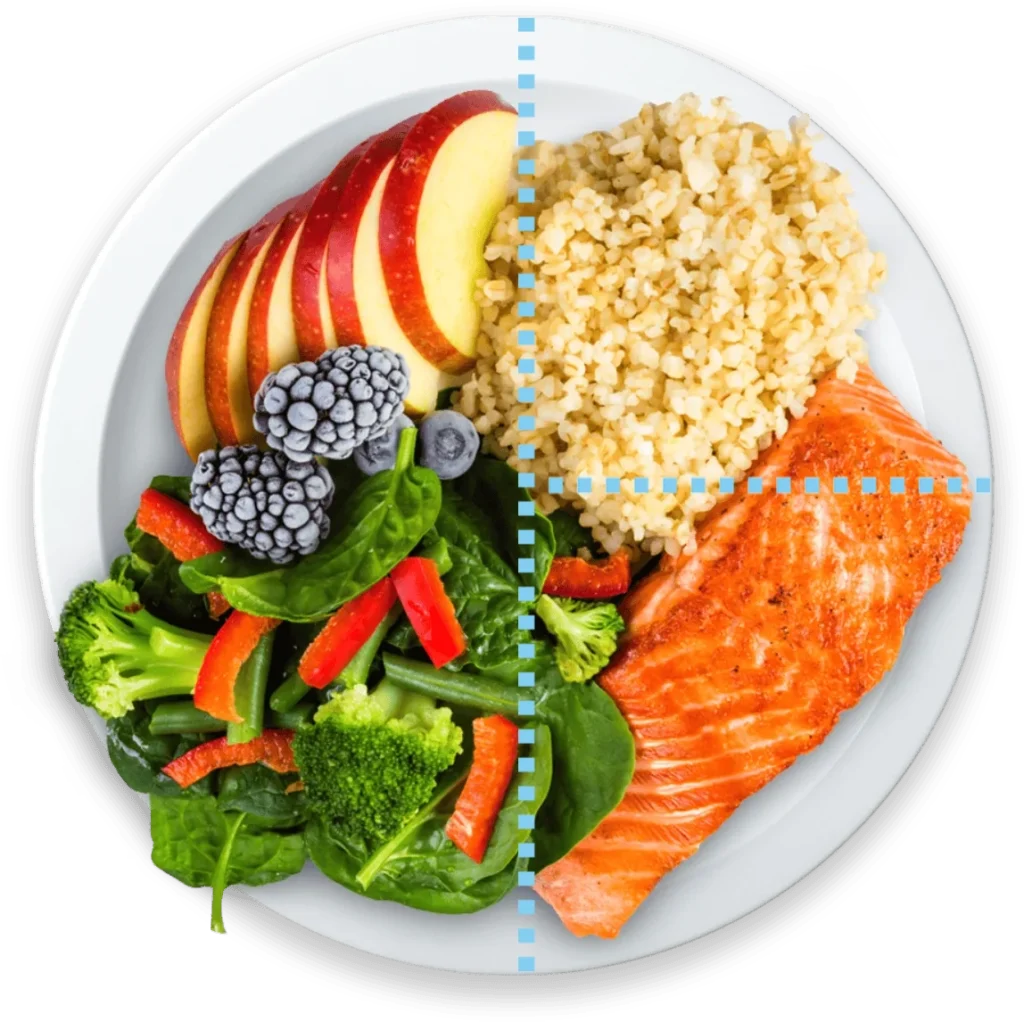
My Healthy Pregnancy Plate helps you create healthy meals by making it easy to be sure you are serving and eating healthy and balanced amounts of food.
Here’s how it works:
- Divide the plate into 3 parts (see photo)
- Use 1 part for proteins and 1 part for whole grains or starchy vegetables
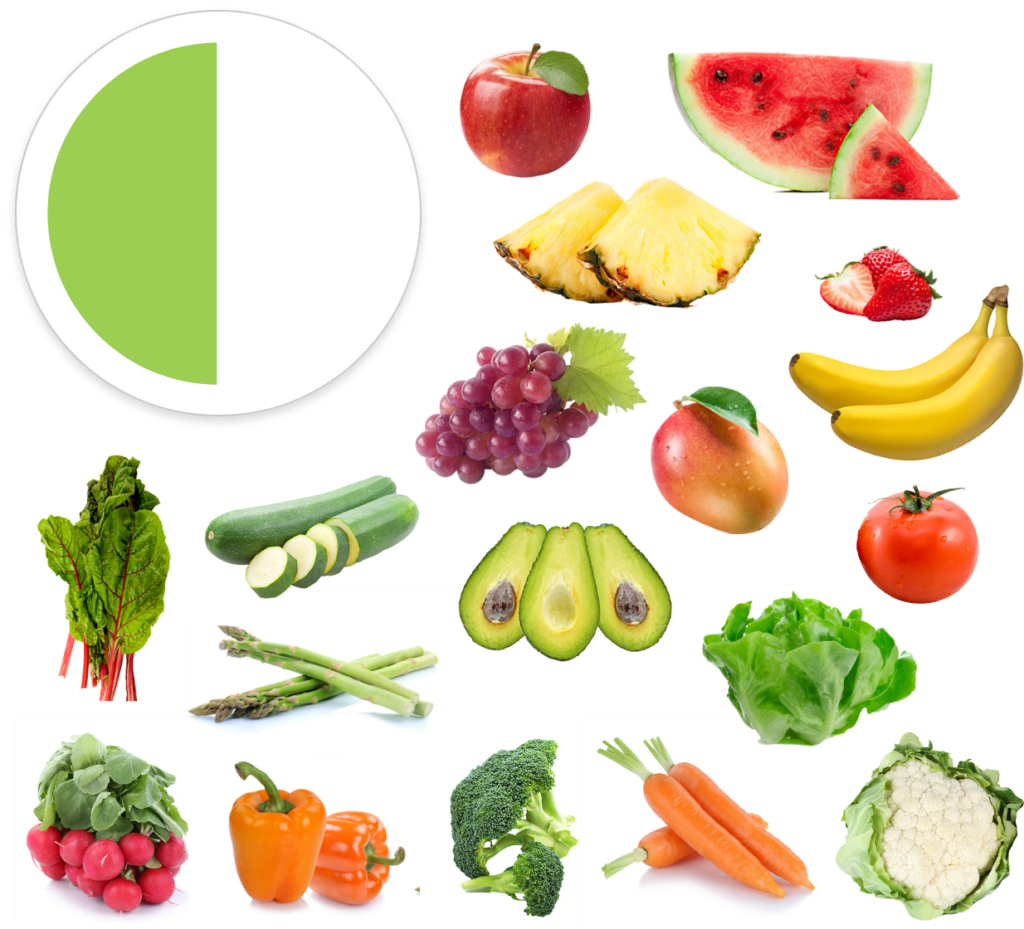
- Use the largest part for fruits and non-starchy vegetables
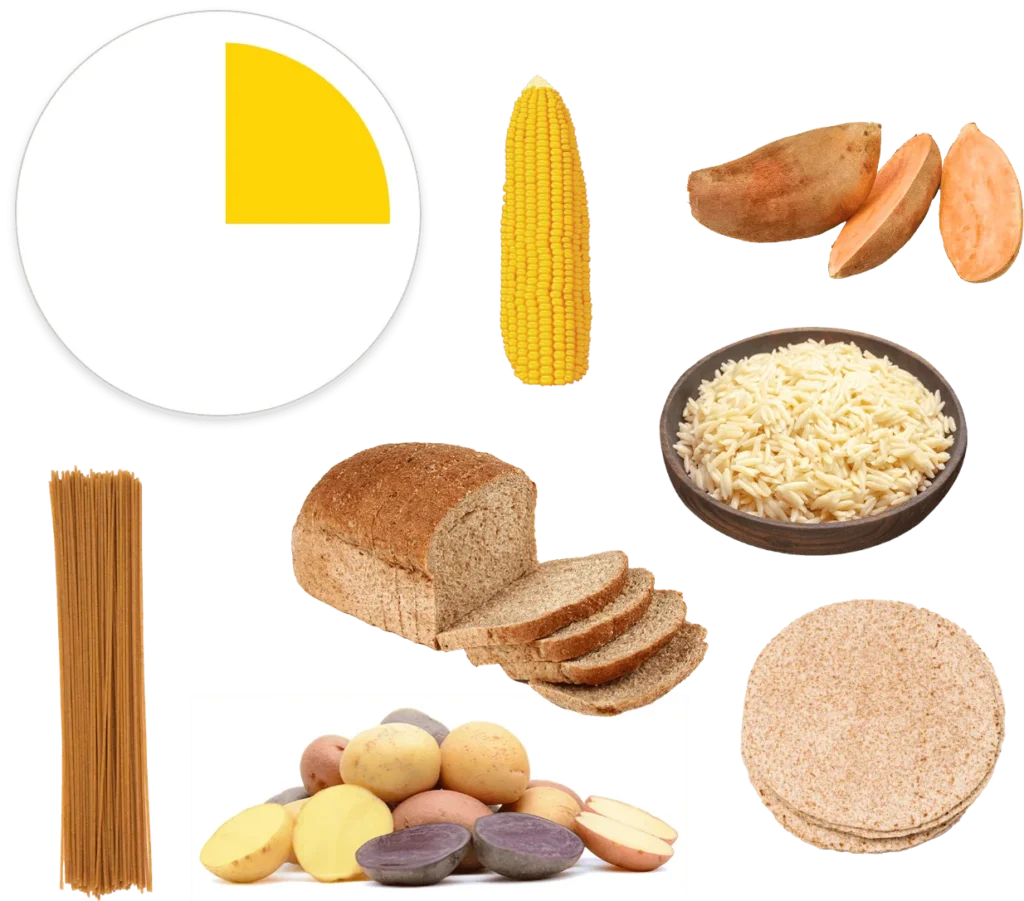
Make about 1/4 of your plate whole grains or starchy vegetables
Did you know?
Whole grains and starchy vegetables are a great source of fiber. Fiber helps you feel fuller longer and helps with constipation.
Try to include whole grains like brown rice, whole wheat pasta and bread, and starchy vegetables like sweet potatoes, winter squash, peas, or corn. Starchy vegetables can be a great alternative to white rice, regular pasta, and tortillas!
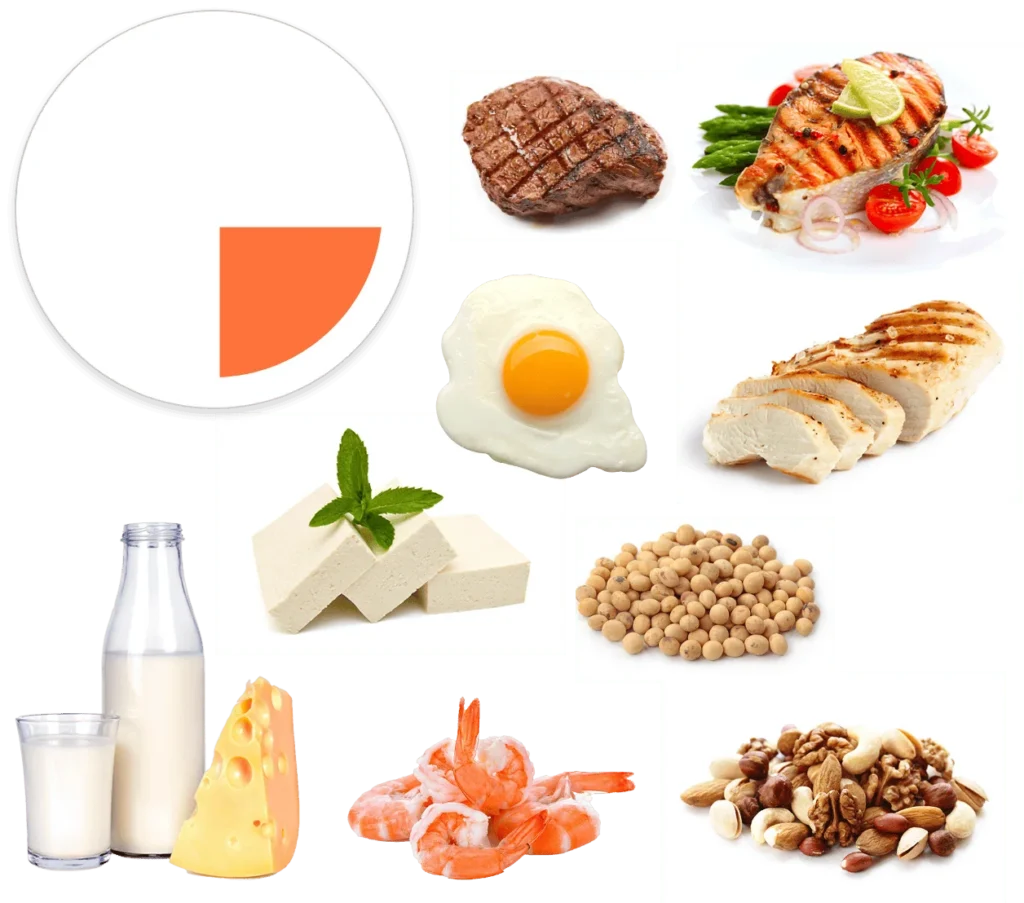
Make about 1/4 of your plate proteins
Did you know?
Lean meats, poultry and fish are great sources of protein. Fish and other kinds of seafood are a great source of Omega-3. Omega-3’s are important for the development of your baby’s brain.
Vary your proteins! Choose proteins from animal sources as well as vegetable sources. Try to include lean meats, chicken, fish, eggs, beans, lentils, tofu, nuts, and seeds in your meals. Another good option are low-fat dairy products and some plant-based milks.
Make 1/2 of your plate fruits and non-starchy vegetables
Did you know?
Fresh fruit is best! Try not to drink juice or eat dried fruit. If your favorite fruit is not in season, a good alternative is to buy frozen fruit. Frozen fruits and frozen vegetables have the same nutrients and are often cheaper than the fresh products.
Try to eat at least 5 servings of fruits and vegetables per day. In general, one serving is equal to 1 cup of non-starchy vegetable or 1 medium fruit. Try to include fruits and non-starchy vegetables in salads, pastas, stews, or side dishes.
The best drinks to have are water and milk
- Water is best!
- Dairy and fortified plant milks are good sources of calcium! It is recommended that pregnant women have 3 cups per day
- Choose milk that is low in fat and sugar, and that is fortified with vitamin D
- Try not to have sugary drinks
Foods and drinks to avoid during pregnancy
- Unpasteurized foods and drinks that have not been treated to make them safer, such as:
- Unpasteurized juice
- Unpasteurized milk
- Unpasteurized soft cheese like feta, goat, blue cheese, and queso blanco.
- Look for the word “pasteurized” to make sure foods and drinks are safe
- Alcoholic drinks
- Raw or undercooked eggs, meats, fish or shellfish
- Fish high in mercury like shark, swordfish, tilefish, king mackerel
- For supplements or herbal products, please check with your doctor
How to estimate portion sizes
-

Closed Fist = 1 cup
This is a good measure to estimate fruit or non-starchy vegetables portions.
-

Cupped hand = 1/2 cup
Good for measuring grains like pasta or rice.
-
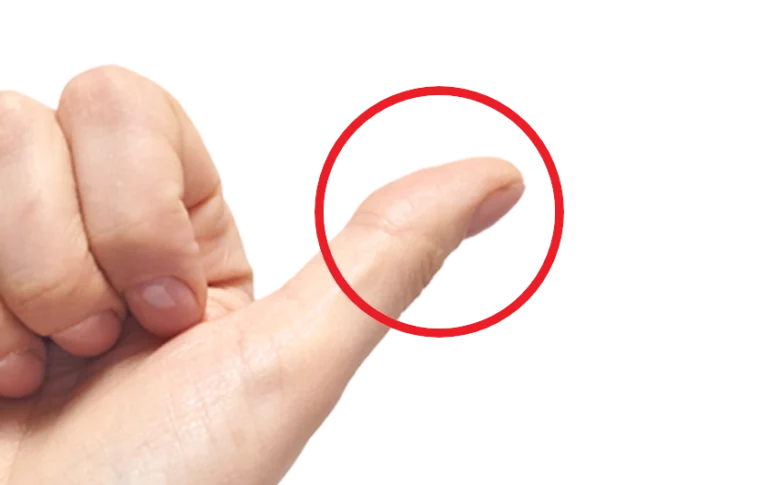
Thumb = 1 tablespoon
Can be used to estimate peanut butter or salad dressing.
-
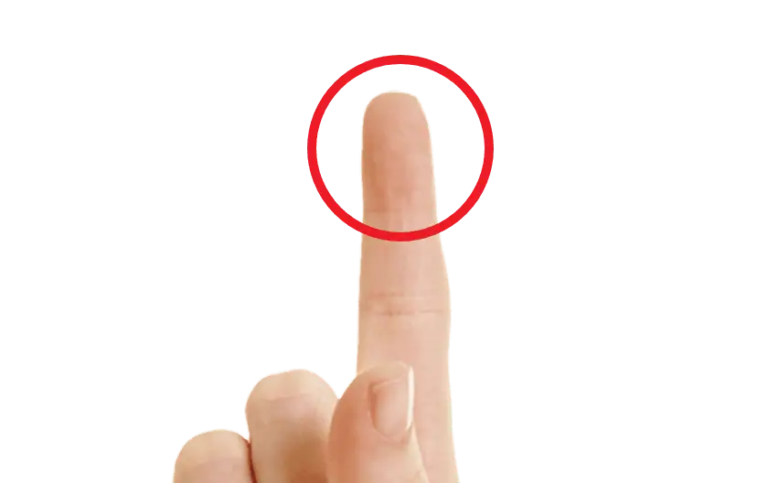
Fingertip = 1 teaspoon
Useful for measuring portions of fats like mayonnaise, butter, or oils.
-
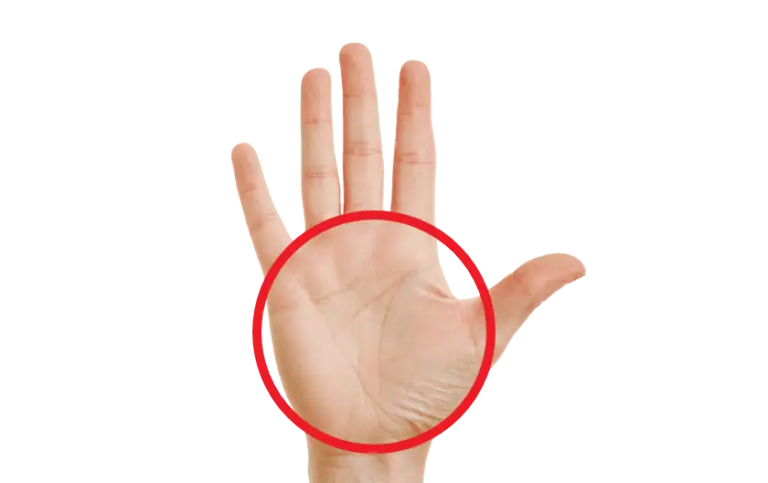
Palm of your hand = 3 ounces
Helps to estimate portions of animal proteins, like beef, pork, poultry, and fish.
-
Keep in mind that each person has different nutritional needs. The portions estimated from your hand might not be the same as someone else.
To measure the exact amount of the foods that you eat, use tools such as measuring cups or measuring spoons.
How can I use food labels to pick healthier foods?
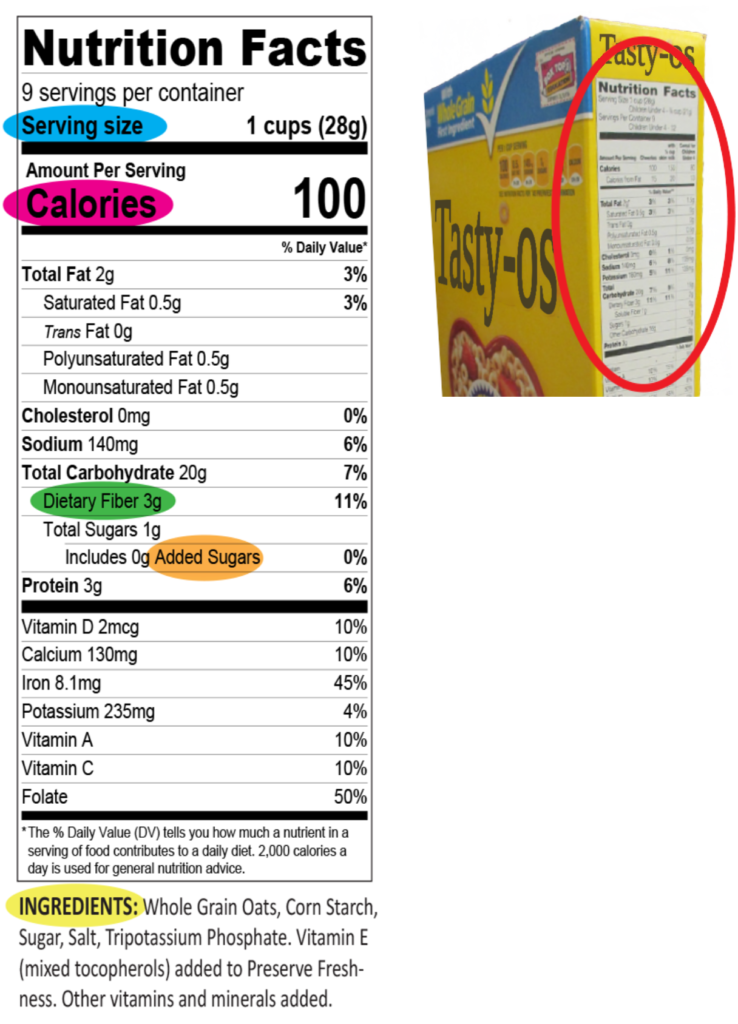
Look at the back or side of the food package to find the food label.
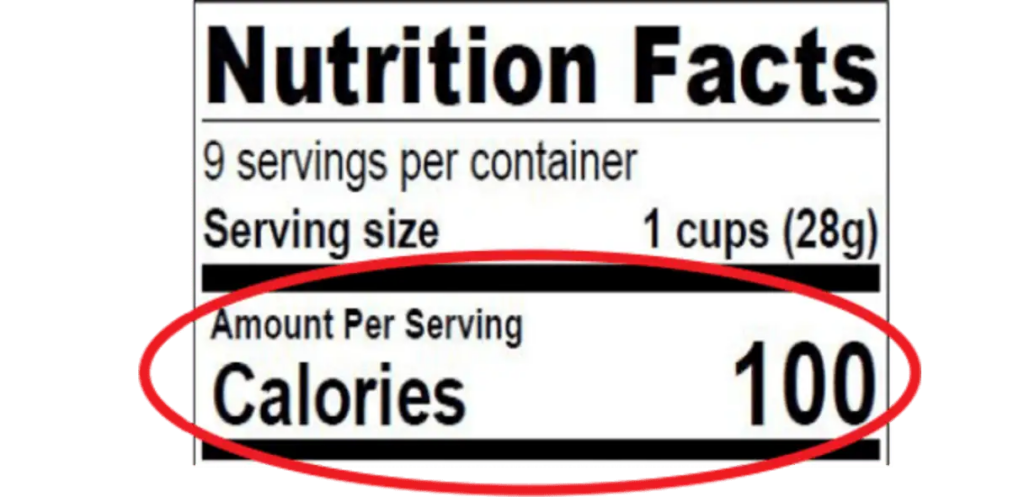
- Check the serving size
- Check the calories
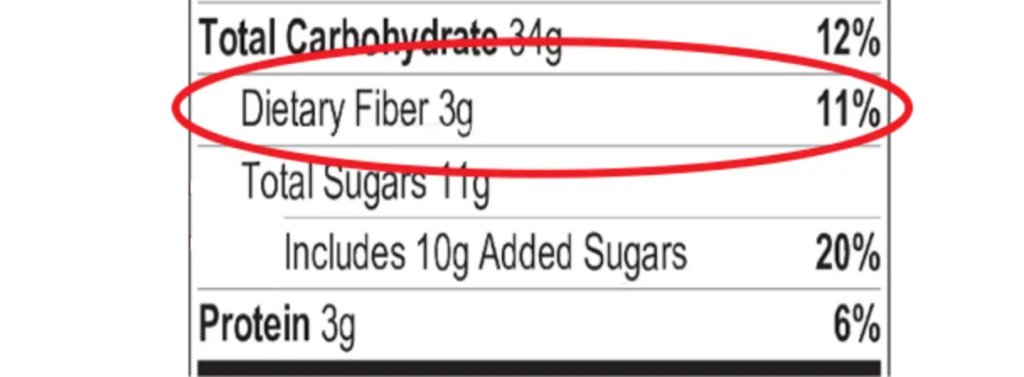
- Check the dietary fiber
- Check the added sugars
- Check the number and name of ingredients
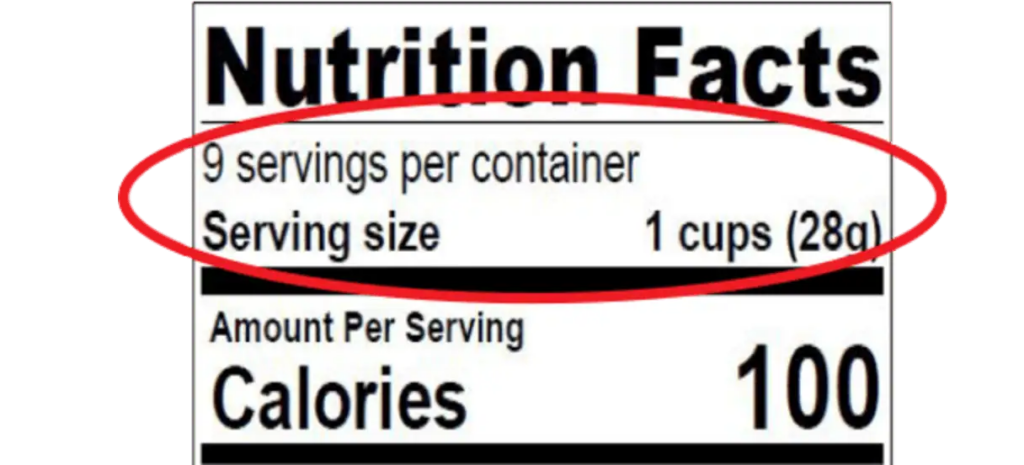
Serving Size
- You might see a serving size listed as a cup or part of a cup
- A serving size can be in units such as pieces or slices
- The information on the food label is for one serving, not the whole package
- Keep in mind there may be more than one serving in one package
Calories
- The number of calories on the label is for one serving.
- If you eat more than one serving, you will be eating more calories than what it says on the label.
- A food with more than 400 calories per serving is high in calories
Fiber
- Choose foods that have 10% DV (Daily Value) or more of fiber per serving size
- Foods that have more fiber include fruits, vegetables, beans, lentils, whole grain breads, and cereals
- Fiber helps improve your health and may prevent some illnesses
Added Sugars
- Sugars are found naturally in some foods (like in fruits and plain yogurt)
- Sugars can also be added to foods or drinks, which can increase calories
- Check the list of ingredients to make sure added sugars are not listed as one of the first few ingredients
- If a product contains added sugars, the type of sugar will be listed on the ingredient list
- Added sugars also include honey, and sugars from fruit or vegetable juices
- Other names for added sugars are raw sugar, sucrose, glucose, high fructose corn syrup, corn or cane syrup, brown sugar and sugar alcohols like sorbitol
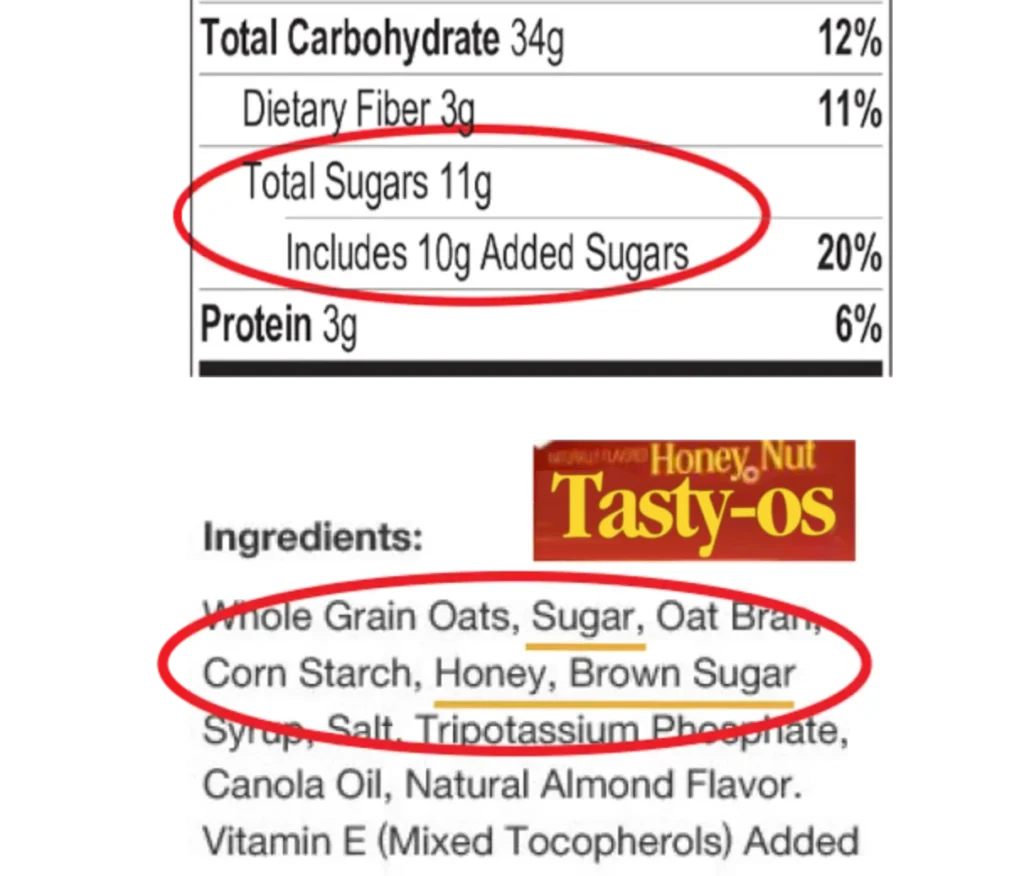
Ingredients
- Ingredients in the largest amounts are listed first
- Pick foods with ingredients you know
- Try to choose foods with fewer ingredients
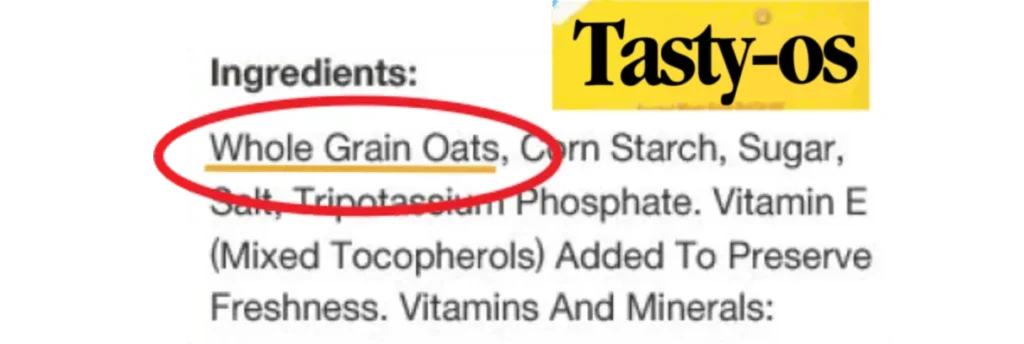
- Choose breads, cereals, tortillas and pastas that have “whole grain” as the first thing on the list